
Khi nén cà phê pha áp suất, nhiều người tập trung vào câu hỏi phải dùng lực bao nhiêu. Cách đặt vấn đề này dễ dẫn đến một thói quen không cần thiết: cố ấn thật mạnh vì nghĩ rằng lực lớn sẽ làm bánh cà phê chắc hơn và lần chiết xuất ổn định hơn. Thực tế, mục tiêu của thao tác nén không phải là tạo ra lực tối đa. Điều cần kiểm soát là lớp bột sau khi nén phải phẳng, tương đối đồng đều và được tạo thành theo một thao tác có thể lặp lại.
Nén để tạo một lớp bột ổn định
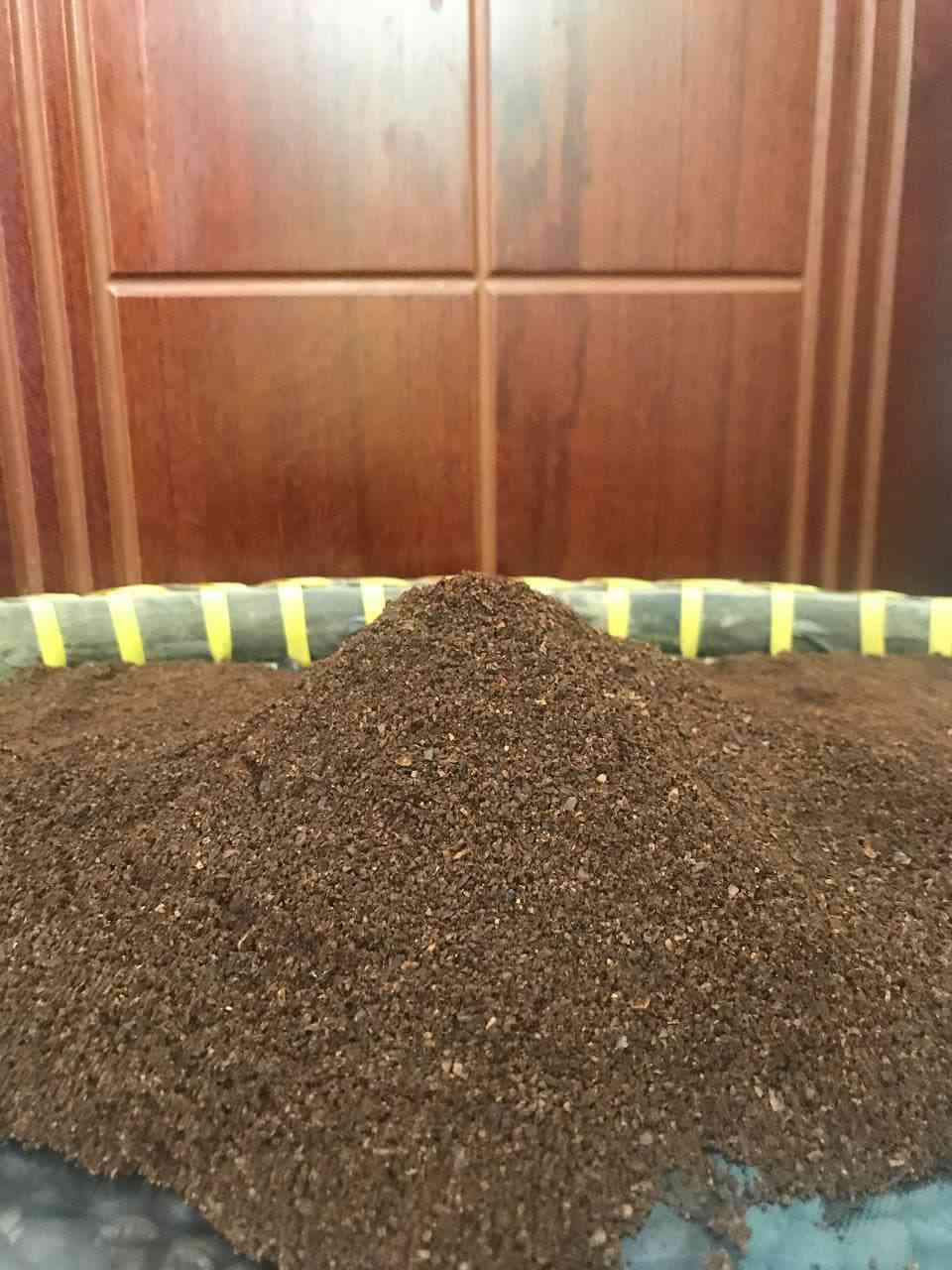
Sau khi xay và cho cà phê vào tay cầm, bột vẫn là một khối rời với nhiều khoảng trống. Thao tác nén làm các hạt dịch chuyển, giảm độ rời của lớp bột và tạo một bề mặt đủ ổn định để nước từ máy đi qua. Trong quy trình pha cà phê pha áp suất, SCA đặt nén cùng với định lượng và phân bố bột trong nhóm thao tác chuẩn bị bánh cà phê. Mục tiêu thực hành là một lớp bột phẳng, đều và nhất quán giữa các lần pha, chứ không phải thi xem ai ấn mạnh hơn.
Điểm này quan trọng vì nước dưới áp lực sẽ tìm những đường đi có sức cản thấp hơn. Nếu lớp bột có vùng quá lỏng, vùng quá chặt hoặc bề mặt nghiêng, dòng nước có thể phân bố không đều. Khi đó, tăng thêm lực nén ở lần sau chưa chắc giải quyết được nguyên nhân ban đầu. Một thao tác nén hợp lý phải được nhìn như bước ổn định hóa lớp bột sau khi đã phân bố tương đối tốt.
Độ phẳng và khả năng lặp lại đáng quan tâm hơn con số lực
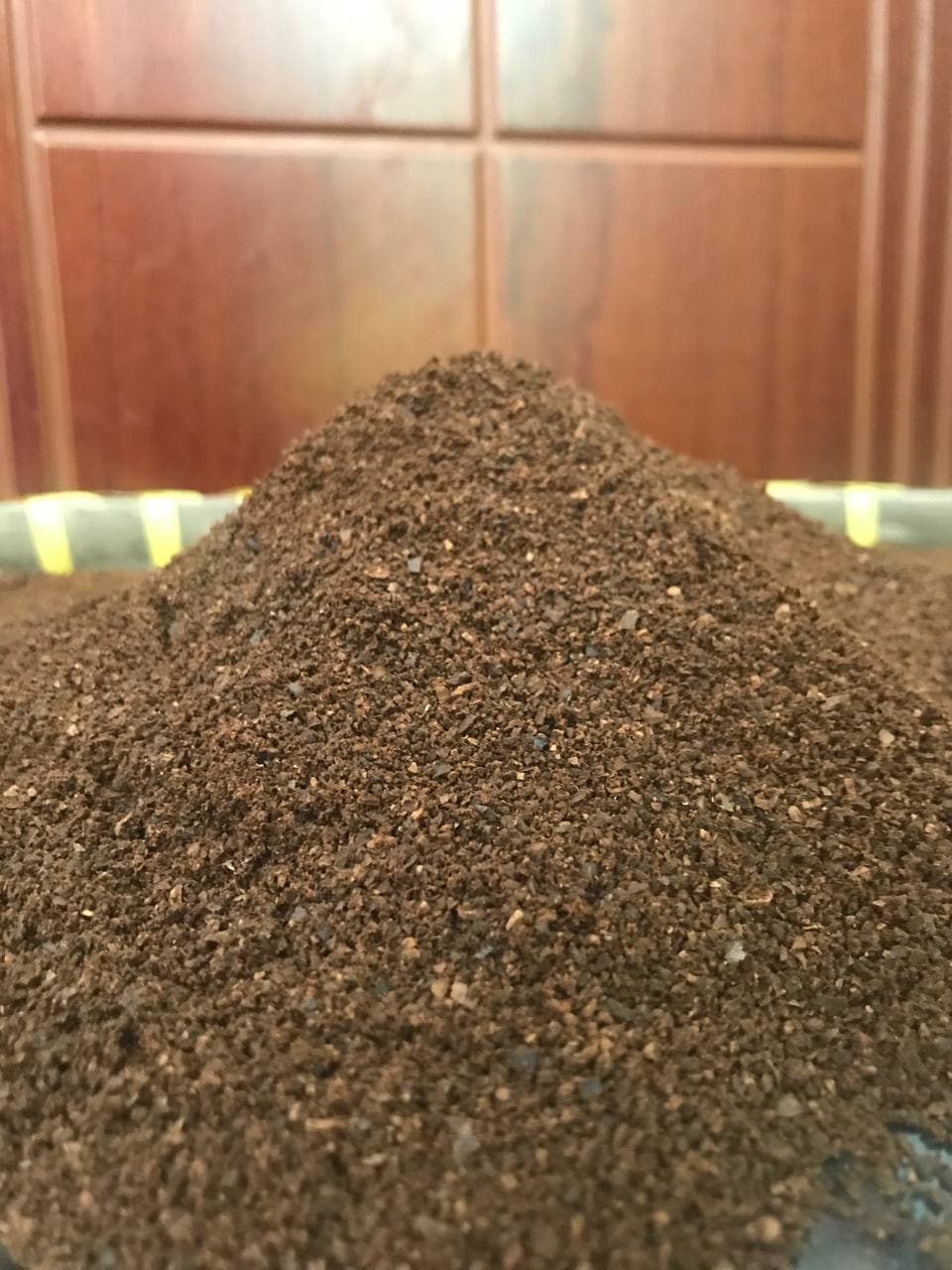
Một cú nén mạnh nhưng nghiêng có thể tạo ra một lớp bột không đều. Ngược lại, một cú nén vừa phải nhưng thẳng, ổn định và lặp lại được sẽ dễ kiểm soát hơn. Trong tài liệu đào tạo kỹ năng pha cà phê pha áp suất, việc tạo bề mặt phẳng và đều được nhấn mạnh cùng với kỹ thuật nén nhất quán.
Điều này cũng giải thích vì sao không nên biến một con số lực thành mục tiêu tuyệt đối. Một người có thể nén mạnh ở lần chiết xuất này nhưng nhẹ hơn ở lần chiết xuất kế tiếp; nếu đồng thời thay đổi cách phân bố bột thì rất khó biết biến nào làm lần chiết xuất thay đổi. Với người pha tại nhà, cách hữu ích hơn là chọn một tư thế thoải mái, đặt dụng cụ nén thẳng, thực hiện một lần nén dứt khoát và giữ quy trình đó ổn định.
Tính lặp lại còn giúp việc chỉnh máy dễ hơn. Nếu lượng bột, phân bố, nén và các điều kiện khác tương đối ổn định, khi dòng chảy thay đổi người pha có cơ sở để xem xét cỡ xay hoặc một biến khác. Nếu mỗi lần chiết xuất đều được nén theo một kiểu khác nhau, việc đọc kết quả sẽ trở nên mơ hồ.
Đừng dùng nén để sửa lỗi của các bước trước
Nén không thể thay thế cho phân bố bột. Nếu cà phê được đổ vào rổ lọc thành một đống lệch, có nhiều cục vón hoặc có vùng mật độ khác nhau, dụng cụ nén chỉ làm phẳng phần trên. Nó không tự động biến toàn bộ lớp bột thành một khối đồng nhất.
Ranh giới này đặc biệt đáng chú ý khi người pha gặp lần chiết xuất chảy không đều. Nếu nguyên nhân nằm ở phân bố, cỡ xay hoặc chính máy xay, việc tăng lực nén chỉ là thay đổi thêm một biến mà không xử lý đúng chỗ. SCA cũng xem định lượng, phân bố và nén như những bước liên quan nhưng có chức năng riêng trong quá trình chuẩn bị cà phê pha áp suất.
Vì vậy, khi lần chiết xuất thay đổi, nên kiểm tra theo trình tự: lượng bột có ổn định không, bột có được phân bố tương đối đều không, bề mặt sau nén có phẳng không, rồi mới xem các biến chiết xuất khác. Cách này chậm hơn một chút ở lần đầu nhưng dễ tái lập hơn về sau.
Xây dựng một thao tác nén dễ lặp lại
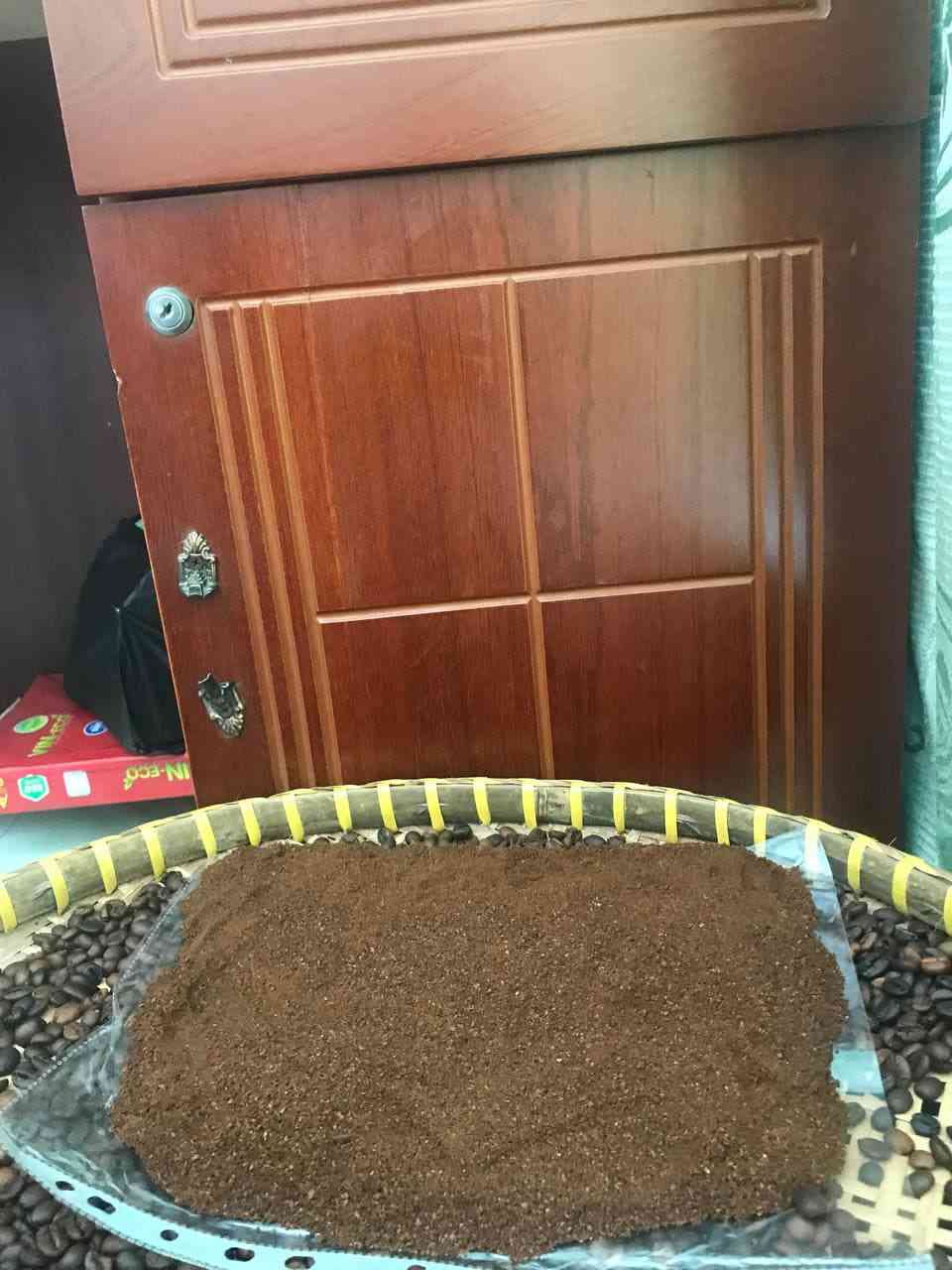
Ở nhà, không nhất thiết phải có thiết bị đo lực để bắt đầu. Điều quan trọng hơn là quy trình có thể lặp lại. Đặt tay cầm trên mặt phẳng chắc chắn, giữ cổ tay và cẳng tay theo hướng thẳng với dụng cụ nén, nén theo một chuyển động ổn định và kiểm tra bề mặt. Nếu dụng cụ nén tạo được mặt phẳng đều mà không làm người pha phải gồng sức, đó đã là một điểm xuất phát hợp lý.
Có thể kiểm tra sự ổn định bằng cách pha nhiều lần chiết xuất với cùng một công thức. Ghi lại lượng bột, lượng đồ uống thu được và thời gian. Nếu kết quả dao động lớn, đừng vội kết luận rằng cần nén mạnh hơn. Hãy xem lại toàn bộ quá trình chuẩn bị bánh cà phê và độ ổn định của máy xay.
Một thao tác tốt còn phải phù hợp với cơ thể. Cố dùng lực quá lớn trong thời gian dài vừa khó duy trì vừa dễ tạo tư thế không tự nhiên. Trong môi trường pha nhiều lần chiết xuất, sự thoải mái và khả năng lặp lại có giá trị thực tế hơn việc theo đuổi một con số lực thật lớn.
Cuối cùng, nén cà phê pha áp suất nên được hiểu là một bước tạo điều kiện cho dòng nước đi qua lớp bột ổn định. Khi bột đã được phân bố hợp lý, dụng cụ nén phẳng và thao tác nhất quán, người pha có nền tảng tốt hơn để đọc lần chiết xuất. Lực mạnh không phải mục tiêu tự thân; điều đáng theo đuổi là một quy trình chuẩn bị có thể lặp lại và cho phép người pha biết mình đang thay đổi biến nào.
Tài liệu tham khảo
Specialty Coffee Association, Defining the Ever-Changing Espresso
SCA Barista Skills Foundation curriculum, dosing, distribution and tamping
Tamping Creates a Stable Coffee Bed
After grinding and dosing, the coffee remains a loose collection of particles with spaces between them. Tamping compresses that bed and creates a more stable surface for pressurized water to pass through. The objective is a consistent puck, not the largest possible force.
A stable puck matters because water can favor lower-resistance paths. If the bed is loose in one area, dense in another or visibly tilted, flow can become uneven.
Levelness and Repeatability Matter More Than a Force Number
A hard tamp can still be uneven. A lighter tamp can be more consistent if the surface is level and the process is repeatable. This is why a single force number should not become the main target.
Repeatability also makes grinder adjustment easier. When dose, distribution, tamping and other conditions are stable, a change in flow provides clearer evidence about which variable needs attention.
Do Not Use Tamping to Repair Earlier Problems
Tamping cannot replace distribution. If grounds enter the basket as a concentrated mound with clumps and gaps, pressing harder does not necessarily remove those differences. The same applies when the grinder produces an unstable particle distribution.
When a shot becomes uneven, check dose, distribution, the level of the tamped surface and grind before increasing force. Treating tamping as a repair tool can make diagnosis harder because several variables change at once.
Build a Tamping Motion You Can Repeat
At home, a force gauge is not required to begin. A stable setup, level tamp and repeatable motion are more useful starting points. Pull several shots with the same recipe and record dose, yield and time. If the results remain stable, the tamping process is doing its job.
The motion should also be physically sustainable. Excessive force can be difficult to reproduce and unnecessarily demanding over many shots. A good tamp is therefore one that creates a suitable, level puck and can be performed consistently—not one that wins a contest for the highest force.
The question of force often becomes confusing because people describe tamping as though it were a target measured independently of the puck. In reality, the useful outcome is the condition of the coffee bed after tamping. A level, stable surface that can be reproduced gives the brewer a better basis for interpreting the next shot.
A repeatable setup also makes physical technique easier to maintain. The brewer can place the portafilter consistently, keep the tamper level and use a comfortable motion rather than deliberately generating extreme force. Over many shots, this approach is easier to reproduce and less likely to turn tamping into a source of unnecessary variation.
When troubleshooting, it helps to keep tamping in its proper place in the sequence. Dose first, then distribute the grounds, then tamp in a controlled and level way. If the shot still behaves differently, the brewer can inspect grind or other variables with a clearer understanding of what has already been controlled.
Tamping is sometimes discussed as though pressure itself were the main determinant of extraction. A better interpretation is that tamping establishes the physical state of the coffee bed after distribution. Once the bed is stable and level, the brewer can make the other variables easier to control. The exact pressure needed to reach that state is less useful as a universal target.
For repeated work, consistency is particularly important. If the tamper is level in one shot and tilted in the next, a force reading would not capture the difference in puck geometry. Likewise, a strong tamp cannot guarantee uniform density if the grounds entered the basket unevenly. A repeatable motion therefore provides more useful control than deliberately maximizing force.
A sensible troubleshooting sequence is to check the amount of coffee, the distribution of the grounds and the level of the tamped surface before deciding that more force is needed. If those conditions are stable and the shot still changes, the brewer can then investigate grind and other process variables. This keeps tamping in its proper role and makes each adjustment easier to learn from.
There is also a difference between creating a stable puck and trying to compress the coffee as far as possible. Once the grounds have reached a suitable, level condition, additional force does not automatically make the shot more consistent. In some workflows, chasing force can even distract attention from the distribution and alignment of the puck.
The most useful tamping routine is therefore one that fits the brewer’s equipment and body while producing a repeatable result. A comfortable motion performed the same way across many shots is easier to diagnose than a dramatic motion that cannot be reproduced. The number on a force gauge, when one is used, is supporting information rather than the definition of a good tamp.
References
Specialty Coffee Association, Defining the Ever-Changing Espresso
SCA Barista Skills Foundation curriculum, dosing, distribution and tamping