Độ cao của vòi rót và mức xáo trộn lớp bột thường được nhắc cùng nhau khi nói về pha lọc, nhưng chúng không phải một biến. Độ cao liên quan đến cách dòng nước chuyển động trước khi chạm vào lớp cà phê; mức xáo trộn mô tả mức độ xáo trộn mà lớp bột thực sự nhận được. Muốn hiểu tác động của chúng, cần tách hai khái niệm thay vì gom tất cả thành “rót mạnh”.
Độ cao rót và mức xáo trộn cần được phân biệt

Một dòng nước rơi từ vị trí cao hơn có thể mang động năng khác so với dòng được đưa sát bề mặt. Nhưng hiệu ứng cuối cùng còn phụ thuộc vào đường kính dòng, tốc độ rót, vị trí rót và hình dạng phễu. Mức xáo trộn lại là trạng thái của lớp bột sau khi nhận tác động đó: bột có bị dịch chuyển, đảo trộn hoặc thay đổi cấu trúc hay không.
Sự phân biệt này có ích khi thiết kế một lần thử. Nếu người pha vừa nâng vòi lên, vừa tăng tốc độ rót, vừa thay số lần rót thì không thể biết yếu tố nào tạo ra thay đổi. Tách biến không phải để làm pha cà phê thành một phòng thí nghiệm, mà để tránh những kết luận quá nhanh từ một lần thử.
Những thay đổi có thể xuất hiện trong lớp bột
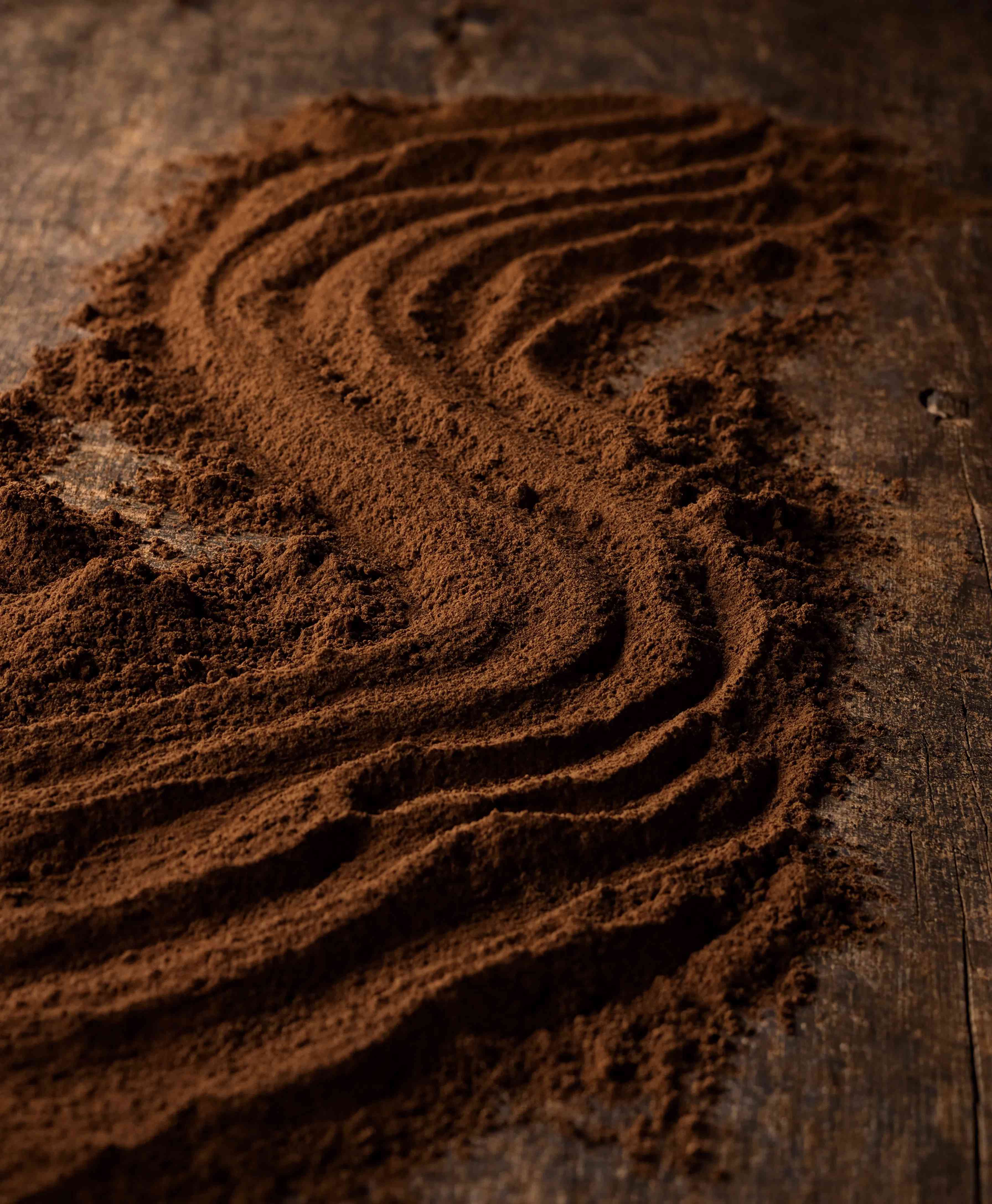
Khi dòng nước tác động mạnh hơn, bề mặt lớp bột có thể chuyển động rõ, tạo hố, rãnh hoặc vùng tập trung dòng. Những thay đổi này có thể ảnh hưởng đến cách nước đi qua lớp bột. Nghiên cứu về yếu tố con người trong các phương pháp pha lọc cho thấy áp lực và mức độ xáo trộn do người pha tạo ra khi rót có liên quan đến khả năng tái lập.
Tuy nhiên, quan sát lớp bột không phải bằng chứng đủ để nói rằng một độ cao cụ thể luôn tốt hơn. Cùng một độ cao có thể tạo hiệu ứng khác khi lượng cà phê, cỡ xay hoặc hình dạng phễu thay đổi. Vì vậy, cần đọc trạng thái lớp bột cùng với thời gian và kết quả trong cốc.
Thiết kế một lần so sánh có kiểm soát
Một thử nghiệm đơn giản có thể bắt đầu bằng cách giữ nguyên cà phê, lượng bột, lượng nước, cỡ xay, nhiệt độ và số lần rót. Sau đó chỉ thay độ cao vòi rót. Nếu muốn nghiên cứu mức xáo trộn, có thể xây dựng một vòng thử khác, trong đó độ cao được giữ nguyên và thay mức chuyển động của dòng.
Mỗi lần pha nên ghi thời gian, lượng nước thực tế, mô tả ngắn về trạng thái lớp bột và cảm nhận trong cốc. Nếu có thiết bị đo, có thể bổ sung TDS hoặc hiệu suất chiết xuất. Khi dữ liệu nhiều hơn, người pha có thể nhìn xem sự thay đổi có lặp lại hay chỉ xảy ra ngẫu nhiên.
Cách làm này đặc biệt hữu ích với các bài thử kiểu nhật ký trải nghiệm. Người pha không cần chứng minh một quy luật phổ quát; chỉ cần xác định một biến có đáng để nghiên cứu tiếp hay không.
Không biến mối liên hệ thành kết luận nhân quả
Nếu hai mức độ cao rót cho hai thời gian pha khác nhau, đó là một quan sát đáng ghi nhận. Nhưng nếu đồng thời lớp bột cũng bị xáo trộn khác nhau thì chưa thể nói độ cao là nguyên nhân duy nhất. Có thể chính mức xáo trộn mới là biến trung gian.
Tương tự, nếu một cốc có cảm giác đậm hơn, không nên lập tức quy cho độ cao rót. Độ đậm, cảm giác trong miệng và hương vị là những thuộc tính khác nhau. Một thay đổi trong cảm giác uống có thể liên quan đến nhiều thay đổi trong quá trình chiết xuất.
Giữ ranh giới giữa dữ liệu và diễn giải giúp nhật ký pha cà phê có giá trị hơn. Khi một hiện tượng lặp lại trong nhiều lần thử được thiết kế tốt, giả thuyết mới có cơ sở để kiểm tra tiếp.
Độ cao rót và mức xáo trộn vì vậy nên được xem như hai biến có liên hệ nhưng không đồng nhất. Người pha muốn tìm một thao tác ổn định có thể bắt đầu bằng cách tách chúng, giữ các điều kiện còn lại tương đối cố định và ghi lại kết quả. Cách này không tạo ra một con số đúng cho mọi dụng cụ, nhưng giúp việc điều chỉnh trở nên có lý do và dễ lặp lại hơn.
Trong một lần thử thực tế, người pha có thể bắt đầu bằng hai mức độ cao tương đối khác nhau thay vì tìm một con số tuyệt đối. Sau mỗi lần, ghi trạng thái lớp bột, thời gian và cảm giác trong cốc. Nếu sự khác biệt không lặp lại, không nên cố dựng một quy luật từ dữ liệu đó. Nếu sự khác biệt xuất hiện nhiều lần, mới đáng thiết kế vòng thử tiếp theo để tách độ cao khỏi mức xáo trộn. Đây là cách chuyển một kinh nghiệm cá nhân thành một giả thuyết có thể kiểm tra mà vẫn giữ việc pha cà phê ở mức đơn giản.
Điểm đáng chú ý là độ cao vòi rót không nên được xem như một mục tiêu riêng. Nếu người pha tìm được một độ cao dễ thực hiện và tạo dòng ổn định, việc giữ nguyên nó trong công thức có thể quan trọng hơn việc liên tục tìm một con số mới. Mục tiêu của phép thử là hiểu sự thay đổi, sau đó chọn thao tác đủ đơn giản để lặp lại. Khi đó, độ cao trở thành một phần của quy trình chứ không phải một con số để theo đuổi.
Tài liệu tham khảo
Pour Height and Agitation Are Different Variables
Pour height describes how far the water travels before reaching the coffee bed. Agitation describes how much the bed is actually disturbed. They are related, but they are not the same variable.
The effect of pour height also depends on stream diameter, pouring speed, position and dripper geometry. A higher pour can behave differently from a low pour, but the final effect has to be observed in the complete brewing system.
Changes Can Appear in the Coffee Bed
Stronger water impact can visibly move the surface of the bed, create craters or channels and concentrate flow in particular areas. Research on the human factor in filter brewing suggests that brewer-generated agitation is relevant to repeatability.
But observing a disturbed bed does not prove that one specific pour height is always better. The same height can behave differently with another dose, grind or dripper. Bed appearance therefore needs to be read alongside time and the result in the cup.
Design a Controlled Comparison
A simple comparison can keep coffee, dose, water, grind, temperature and number of pours constant while changing only pour height. A separate trial can hold height constant while changing the movement of the stream.
For each brew, record time, actual water, a short description of the bed and a sensory note. If available, add TDS or extraction yield. Repeated observations help distinguish a stable pattern from a one-off event.
Do Not Turn Association Into a Causal Claim
If two pour heights produce different times, that is a useful observation. But if bed agitation also changed, height cannot automatically be identified as the sole cause. The agitation may be the intermediate variable.
Likewise, a cup that feels stronger should not immediately be attributed to pour height. Body, intensity and flavor are different sensory attributes and can reflect several changes in extraction. A good log keeps data and interpretation separate until a pattern has been tested repeatedly.
A useful comparison can begin with two deliberately different pour heights rather than a search for an exact number. The first round should keep the rest of the recipe as stable as practical. If a difference appears, a second round can ask whether it remains when agitation is controlled more carefully. This sequence is more informative than changing height and pouring motion together.
Bed appearance can be recorded with simple words: level, cratered, channelled, strongly disturbed or relatively calm. These descriptions are not measurements of extraction, but they provide a record of what happened during the brew. Combined with time and sensory notes, they help the brewer decide which observation deserves a more controlled test.
The final goal is a process that is understandable and repeatable. If a certain pour height is comfortable and produces a stable flow, there may be little reason to keep searching for a supposedly perfect number. The experiment has done its job when it clarifies which variable matters and allows the brewer to choose a simple routine that can be repeated.
Pour height is also difficult to interpret when the stream itself changes. A higher stream can arrive with different momentum, but a faster pour or wider stream can change the effect at the same time. This is why “high pour” is not a complete experimental description. The brewer should record enough about the delivery to know whether height was actually the only changed factor.
A practical sequence is to establish a baseline with a comfortable, repeatable pour. Then compare it with a deliberately different height while keeping dose, grind, water and temperature stable. Observe the bed, record time and taste the resulting beverage. If a difference appears repeatedly, a second test can separate height from agitation by holding one constant while changing the other.
The same discipline applies to interpretation. A crater in the coffee bed is an observation; it is not by itself a measurement of extraction. A longer brew is an observation; it is not by itself proof that pour height caused the change. Keeping these distinctions clear makes a personal brewing diary more useful and reduces the risk of turning a convenient technique into an unsupported universal rule.
If the purpose of the test is to understand agitation, the brewer can hold height steady and deliberately vary only the movement of the stream. If the purpose is to understand height, the movement pattern should remain as similar as possible. This two-stage approach makes the distinction between the variables operational rather than merely theoretical.
It is also useful to remember that the brewer does not need to find a universal optimum. A particular height may work well because it is comfortable, repeatable and compatible with the dripper. If repeated tests show no meaningful advantage to another height, the simpler option may be the better process. The value of experimentation lies in knowing why the chosen method is being kept.