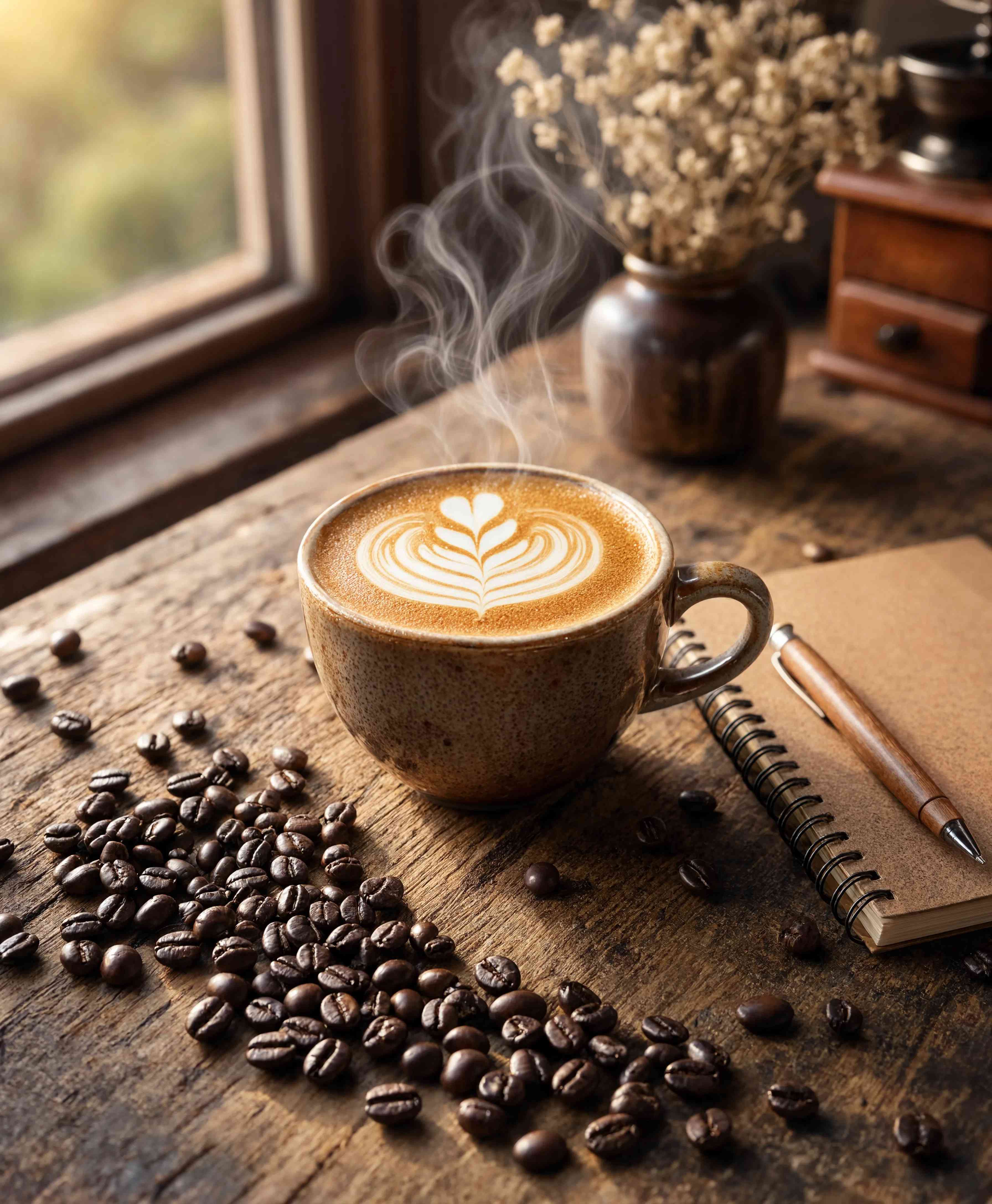
Trong một ngày bận rộn, cà phê có thể mất đi nhiều phần của nghi thức quen thuộc. Người pha có thể không còn thời gian cân kỹ, người mua có thể uống ngay trên đường, còn một cốc từng là khoảng ngồi nghỉ lại trở thành dấu mốc giữa hai nhiệm vụ. Sự thay đổi này không có nghĩa một kiểu uống tốt hơn kiểu khác. Nó cho thấy vai trò của cà phê thay đổi theo thời gian, sự chú ý và hoàn cảnh.
Ngày bận rộn làm thay đổi cách dành thời gian cho cà phê
Khi lịch trình dày, người uống thường phải rút ngắn những bước không bắt buộc. Một buổi sáng thong thả có thể dành nhiều thời gian cho xay, pha và thưởng thức; một buổi sáng vội lại ưu tiên tốc độ. Cùng một người có thể có hai cách uống hoàn toàn khác nhau trong hai ngày.
Điều đáng chú ý là sự thay đổi nằm ở hành vi và bối cảnh, không nhất thiết ở sở thích về cà phê. Người thích một ly pha chậm vẫn có thể chọn cách nhanh khi lịch trình không cho phép. Vì vậy, không nên biến “người bận rộn” thành một nhóm có một kiểu uống cố định.
Cà phê có thể trở thành một mốc chuyển tiếp
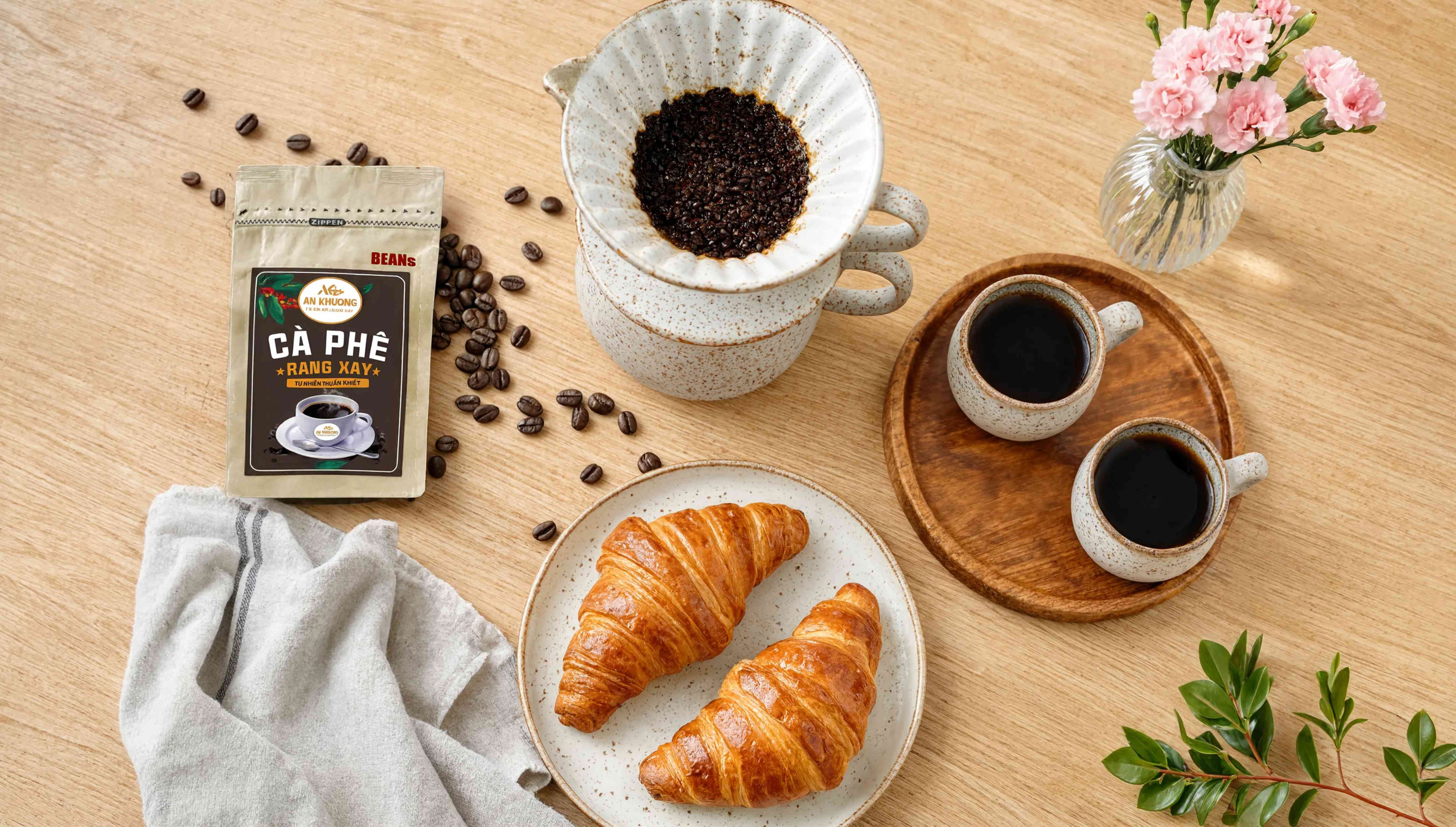
Một hành động lặp lại có thể giúp đánh dấu việc chuyển từ nhiệm vụ này sang nhiệm vụ khác. Lấy một cốc cà phê, uống vài ngụm rồi mở máy tính có thể trở thành một chuỗi quen thuộc. Ở chiều ngược lại, uống cà phê giữa hai cuộc họp có thể đánh dấu một khoảng dừng rất ngắn.
Nghiên cứu về thói quen cho thấy sự lặp lại trong một bối cảnh quen thuộc có thể làm hành vi trở nên tự động hơn. Điều này giúp giải thích vì sao cà phê dễ gắn với những thời điểm chuyển tiếp trong ngày.
Tuy nhiên, không phải mọi người đều sử dụng cà phê theo cách đó. Với một số người, nó là một đồ uống; với người khác, nó là một tín hiệu của việc bắt đầu công việc hoặc tạm dừng.

Tỉnh táo và trải nghiệm uống là hai chuyện khác nhau
Caffeine có thể là lý do chức năng khiến một người chọn cà phê khi bận rộn. Nhưng việc tỉnh táo không giải thích toàn bộ trải nghiệm. Mùi, vị, nhiệt độ, cảm giác trong miệng và thói quen chuẩn bị vẫn có thể tồn tại ngay cả khi người uống chỉ có vài phút.
Nghiên cứu về caffeine và tín hiệu liên quan đến cà phê cũng cho thấy phản ứng của người tiêu dùng không thể quy về một yếu tố duy nhất. Kỳ vọng, tín hiệu quen thuộc và caffeine có thể cùng xuất hiện trong trải nghiệm.
Do đó, khi nói về cà phê trong ngày bận rộn, nên tách vai trò chức năng khỏi vai trò nghi thức. Một người có thể uống để tỉnh táo, nhưng đồng thời vẫn thích mùi cà phê và cảm giác có một khoảng dừng ngắn.
Khi thời gian bị nén, những phần nào của trải nghiệm bị bỏ qua
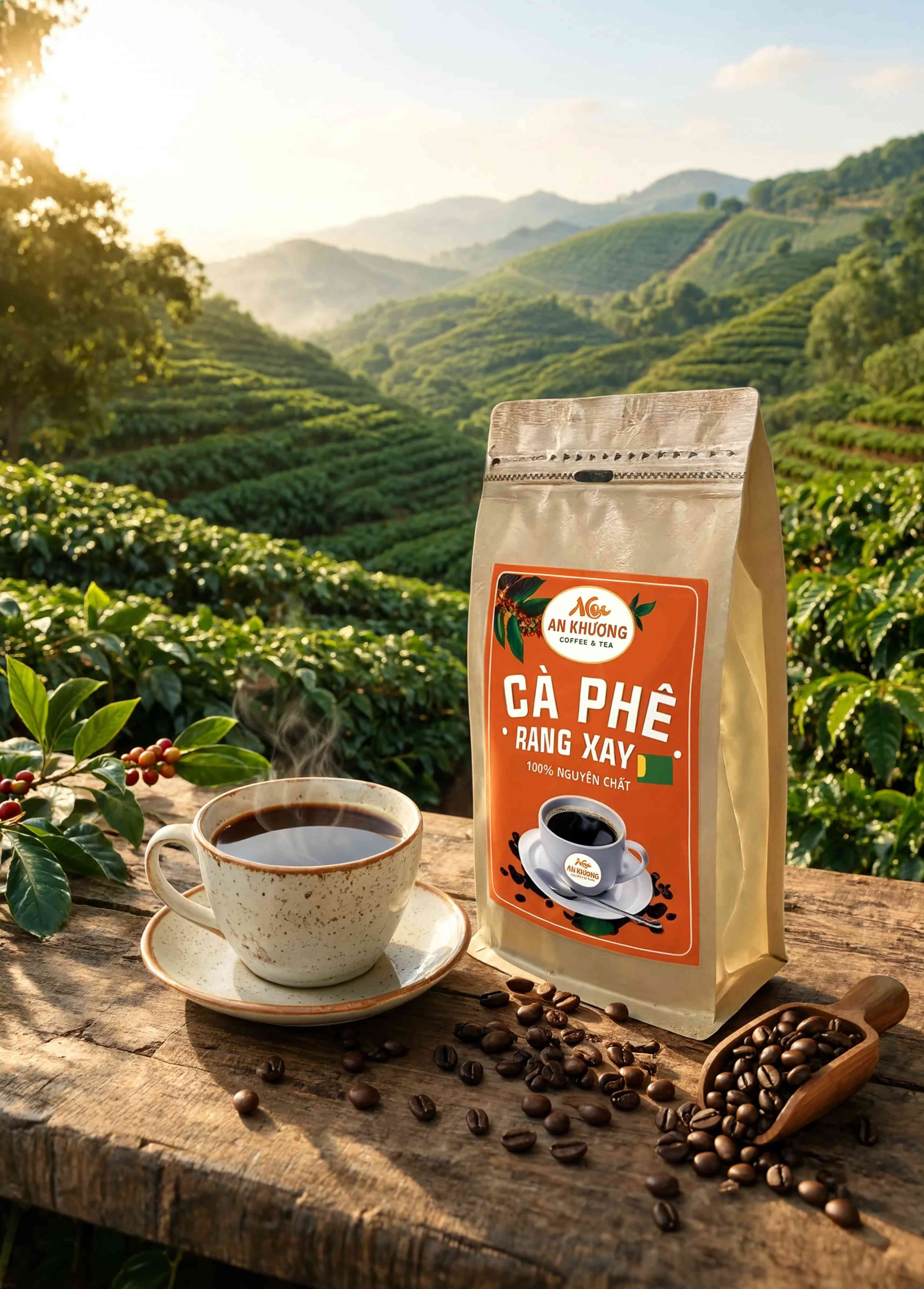
Thời gian ngắn thường làm giảm sự chú ý đến những chi tiết vốn dễ nhận ra khi uống chậm. Người uống có thể không chờ cà phê nguội đến mức dễ cảm nhận hương, không để ý hậu vị hoặc không nhận ra những thay đổi nhỏ giữa các ngụm.
Phần tương tác xã hội cũng có thể biến mất. Một cuộc trò chuyện quanh bàn cà phê trở thành một cốc mang đi. Điều này không nhất thiết là tiêu cực; chỉ là một dạng sử dụng khác của đồ uống.
Tương tự, người pha tại nhà có thể rút ngắn thao tác nhưng vẫn giữ một vài bước quen thuộc vì chúng giúp họ cảm thấy ngày bắt đầu theo đúng nhịp. Cà phê vì thế có thể giữ vai trò nghi thức ngay cả khi nghi thức đã được rút gọn.
Một ngày bận rộn không tạo ra một kiểu uống duy nhất Sự khác biệt giữa các cá nhân vẫn rất lớn. Có người ưu tiên tốc độ, có người cố giữ một khoảng nghỉ, có người uống cà phê như một phần của cuộc gặp và có người gần như không chú ý đến quá trình uống.
Vì vậy, nói về “cà phê cho người bận” dưới dạng một công thức chung sẽ bỏ qua chính điều quan trọng nhất: bối cảnh quyết định cách một đồ uống được sử dụng. Một cốc có thể là nhiên liệu cho một buổi sáng gấp gáp, một dấu mốc chuyển nhiệm vụ hoặc một khoảng yên tĩnh hiếm hoi.
Cà phê trong những ngày bận rộn vì thế không nhất thiết phải được hiểu theo câu hỏi “uống thế nào để làm việc nhiều hơn”. Nó thú vị hơn khi được nhìn như một vật nhỏ thay đổi vai trò theo nhịp sống. Khi thời gian bị nén, người uống thường cắt bớt một số phần của nghi thức, nhưng vẫn có thể giữ lại những chi tiết có ý nghĩa với mình.
Điều thú vị là sự rút ngắn không nhất thiết xóa hết nghi thức. Một người có thể chuyển sang mua cà phê mang đi nhưng vẫn chọn đúng loại cốc, đúng thời điểm hoặc vẫn dành vài phút uống trước khi bắt đầu việc tiếp theo. Những chi tiết nhỏ ấy cho thấy con người thường giữ lại phần có ý nghĩa với mình và bỏ phần ít quan trọng khi thời gian bị nén. Vì thế, cà phê trong ngày bận rộn không nhất thiết phải là một lựa chọn hoàn toàn thực dụng; nó có thể vẫn giữ một phần chức năng tinh thần của nghi thức quen thuộc.
Cũng không nên xem lựa chọn nhanh là một dấu hiệu cho thấy người uống ít quan tâm đến chất lượng. Trong một hoàn cảnh khác, chính người đó có thể quay lại với cách pha chậm và chú ý nhiều hơn. Hành vi uống cà phê thay đổi theo nguồn lực thời gian và mức độ chú ý ở từng thời điểm. Nhìn như vậy giúp bài viết tránh phán xét một kiểu uống chỉ vì nó diễn ra nhanh.
Tài liệu tham khảo
Coffee consumption and alertness among office workers in Jakarta (2024)
Gardner, de Bruijn & Lally (2011), The automatic component of habit in health behavior
Lyubykh et al. (2022), Role of work breaks in well-being and performance
Busy Days Change How Time Is Given to Coffee
On a busy day, coffee can lose several parts of its familiar ritual. A home brewer may no longer have time to weigh carefully, a customer may drink while walking, and a cup that once provided a seated pause may become a marker between two tasks. None of these forms is automatically better. They show how the role of coffee changes with time, attention and circumstances.
When schedules become crowded, people often shorten steps that are not essential to getting through the morning. A relaxed day may allow time to grind, brew and taste slowly, while a rushed morning may prioritize speed. The same person can therefore use coffee in very different ways on two different days.
The important change is often behavioral rather than a change in preference. Someone who enjoys a slow brew may still choose a fast option when the schedule leaves no room for the longer ritual. It is therefore misleading to treat “busy people” as a group with one fixed way of drinking coffee.
Coffee Can Become a Transition Marker
A repeated coffee action can also mark the transition from one task to another. Taking a cup, drinking a few sips and opening the computer can become a familiar sequence. Drinking coffee between two meetings can create a much shorter pause, but it may still function as a recognizable transition.
Research on habits suggests that repetition in a familiar context can make behavior easier to initiate automatically. This helps explain why coffee can become linked to transitions during the day. Yet not everyone uses it in the same way. For one person it is simply a drink; for another it signals the beginning of work or a brief interruption.
The cue is therefore not contained in the beverage alone. It can be the time, the place, the act of preparing the cup or the movement from one activity to another. Busy days may shorten the sequence without removing the cue entirely.
Alertness and the Drinking Experience Are Different Things
Caffeine can be a functional reason for choosing coffee on a busy day, particularly when alertness is desired. But alertness does not explain the entire drinking experience. Aroma, taste, temperature, mouthfeel and familiar preparation can remain meaningful even when the drinker has only a few minutes.
Research involving caffeine and coffee-related cues suggests that consumer responses cannot be reduced to one factor. Expectations, familiar signals and caffeine can operate together. A person may drink coffee for alertness while also enjoying the smell or the small sense of interruption that comes with the drink.
This is why the functional role of coffee should be separated from its ritual role. A busy schedule can increase the importance of speed without eliminating the other parts of the experience. Some elements may simply become less visible because there is less time to notice them.
What Gets Lost When Time Is Compressed
Shorter drinking time can reduce attention to details that are easier to notice when coffee is consumed slowly. A person may not wait for the drink to cool enough to reveal more aroma, may miss the aftertaste or may fail to notice small changes between sips.
Social interaction can also disappear. A conversation around a coffee table can become a takeaway cup consumed alone. That is not necessarily a negative development; it is a different use of the same drink. The home brewer may also shorten the preparation while preserving one or two familiar steps because those steps help the morning feel recognizable.
The ritual can therefore survive in a reduced form. What matters is not whether every original step remains, but which parts the person continues to value when time is scarce.
Busy days do not create one universal way of drinking coffee. Some people prioritize speed, some try to preserve a short pause, some use coffee as part of a meeting and some barely notice the process at all. Context determines how the drink is used.
For that reason, a single recipe for “coffee for busy people” would miss the central point. A cup can function as fuel for a rushed morning, a transition between tasks or a rare quiet moment. The same person may move between these roles depending on the day.
Shortening the ritual does not necessarily remove it. Someone may switch to takeaway coffee while still choosing the same type of cup, the same time of day or a few minutes of deliberate drinking before the next task. People often preserve the parts that matter most and drop the rest when time is compressed.
A fast choice should not automatically be read as a sign of low concern for quality. In another context, the same person may return to a slower brew and pay closer attention. Coffee behavior changes with available time and attention, so the most useful description is one that leaves room for those changes rather than judging one form as the correct one.
The practical response to a busy schedule is therefore not necessarily to abandon the ritual or to protect every step. It is to recognize which parts matter most to the individual. One person may keep the aroma and first few quiet sips; another may keep a familiar cup or a particular time of day. The shortened ritual can still be personally meaningful.
Seen this way, convenience and attention are not permanent opposites. A person can choose speed when time is scarce and return to slower preparation when circumstances allow. The important point is that the same drink can occupy different roles without requiring a single definition of what a “proper” coffee experience should be.
The practical lesson is not that busy days require a special kind of coffee. It is that people adapt familiar routines to the time available, often preserving only the details that still matter to them.
References
Coffee consumption and alertness among office workers in Jakarta (2024)
Gardner, de Bruijn & Lally (2011), The automatic component of habit in health behavior
Lyubykh et al. (2022), Role of work breaks in well-being and performance