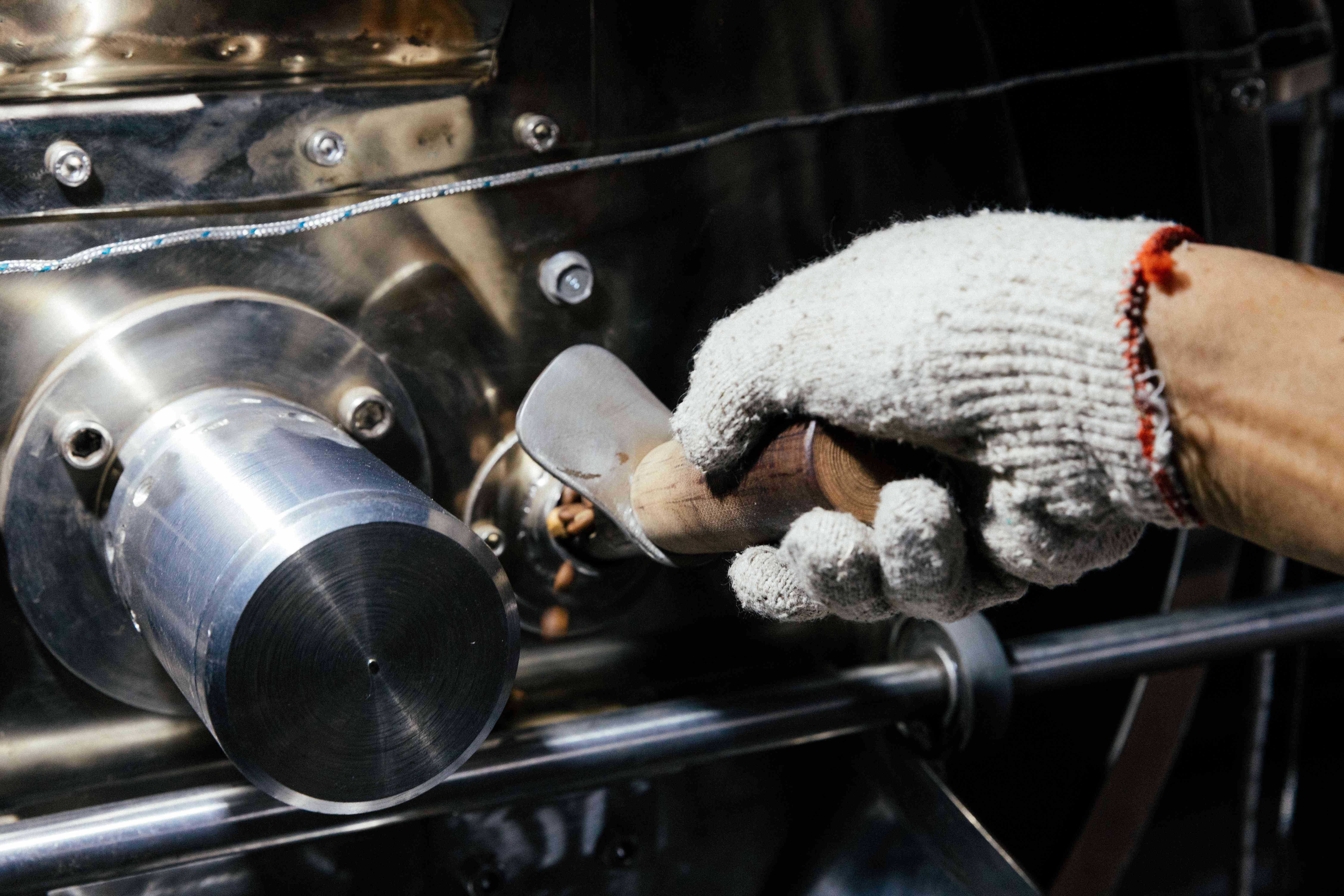
Một bản ghi hữu ích cần có định danh mẻ, nguyên liệu, thời gian rang, nhiệt độ theo thời gian, tốc độ gia nhiệt và những sự kiện quan trọng trong mẻ. Phần cảm quan phải có định danh mẫu tương ứng, phương pháp đánh giá, người đánh giá hoặc nhóm đánh giá và các thuộc tính được chấm. Nếu hai bảng dữ liệu không có khóa liên kết rõ ràng, việc ghép sau này dễ tạo nhầm mẻ hoặc nhầm mẫu. Khi có nhiều lần pha hoặc nhiều người đánh giá, cần giữ cấu trúc phân cấp để biết quan sát nào thuộc cùng một mẫu rang.
Không nên dùng một chỉ số rang đại diện cho toàn bộ chất lượng
Mức rang, màu hạt hoặc nhiệt độ cuối mẻ có thể hữu ích nhưng không mô tả toàn bộ lịch sử nhiệt. Hai mẻ có thể kết thúc ở điều kiện gần nhau nhưng đi qua các quỹ đạo khác nhau. Nghiên cứu của Catão và cộng sự cho thấy phân tích đa biến có thể liên hệ biến vận hành của máy rang với thành phần bay hơi và đánh giá cảm quan; thời gian sau khi nổ lần đầu có vai trò đáng kể trong bộ dữ liệu nghiên cứu đó. Điều này không có nghĩa một biến duy nhất quyết định chất lượng ở mọi hệ thống. Nó cho thấy cần xem profile như một chuỗi biến liên kết.
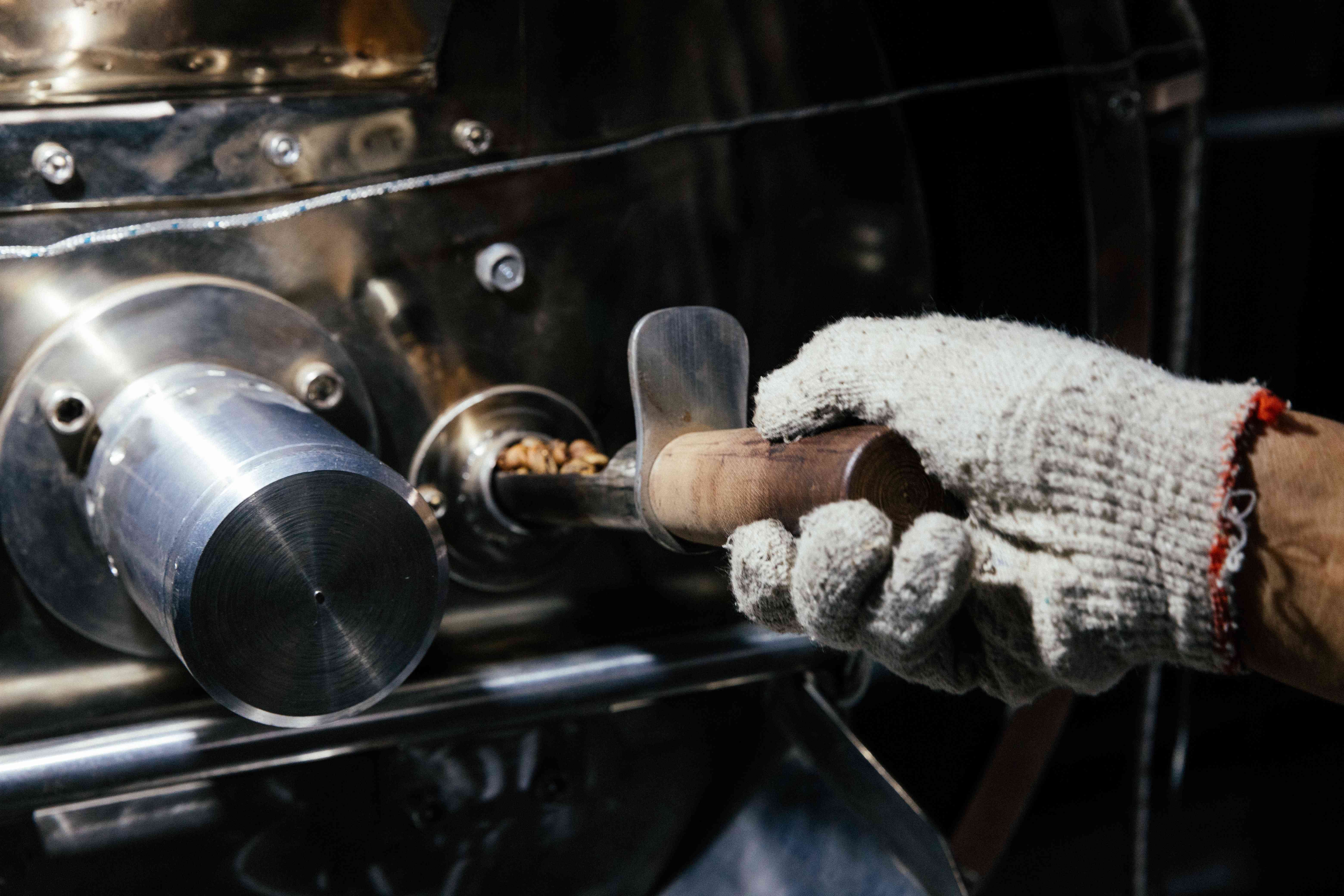
Khi dữ liệu hóa học giúp nối hai phía
Cảm quan và roast log đôi khi cách nhau một tầng cơ chế. Dữ liệu hợp chất bay hơi có thể giúp nối điều kiện rang với thay đổi mùi. Nghiên cứu năm 2025 của Grancieri Debona và cộng sự lấy mẫu liên tục trong quá trình rang và đồng thời phân tích hợp chất bay hơi với đặc tính cảm quan. Một số nhóm hợp chất cho tương quan dương hoặc âm với thuộc tính cảm quan trong phạm vi thí nghiệm. Cách tiếp cận này mạnh hơn việc suy luận trực tiếp từ nhiệt độ sang hương vị vì nó đưa thêm một lớp bằng chứng hóa học vào chuỗi lập luận.
Phân biệt tương quan với nguyên nhân
Một biến có tương quan với thuộc tính cảm quan chưa chứng minh nó là nguyên nhân trực tiếp. Hai biến có thể cùng thay đổi vì một yếu tố thứ ba. Chẳng hạn, thời gian rang, nhiệt độ và mức phát triển của hạt có thể cùng dịch chuyển. Nếu chỉ chọn biến có hệ số tương quan cao nhất rồi gọi đó là nguyên nhân, mô hình dễ bị diễn giải quá mức. Thiết kế thí nghiệm có thay đổi có kiểm soát và dữ liệu lặp lại giúp tăng khả năng phân biệt các giả thuyết.
Phân tích đa biến có ích ở đâu
PCA và các phương pháp đa biến có thể cho thấy nhóm mẫu nào có hồ sơ hóa học và cảm quan gần nhau, đồng thời chỉ ra biến nào đóng góp mạnh vào sự phân tách. Nghiên cứu về lỗi rang của Giacalone và cộng sự là ví dụ rõ: các mẫu được tạo từ nhiều profile thời gian–nhiệt độ, sau đó kết hợp phân tích aroma, đánh giá mô tả và phản ứng người tiêu dùng. Kết quả cho thấy dữ liệu hóa học và cảm quan có thể tạo những không gian mẫu tương đồng, nhưng mối liên hệ vẫn phụ thuộc cách thiết kế mẫu.
Giới hạn khi chuyển sang sản xuất
Mô hình được xây trên một giống, một nguồn, một máy hoặc một phương pháp pha không nên được coi là quy luật chung cho mọi cà phê. Nguyên liệu, thiết bị, điều kiện môi trường và phương pháp phục vụ có thể thay đổi quan hệ giữa profile rang và cảm quan. Vì vậy, một hệ thống sản xuất cần kiểm tra lại mô hình trên dữ liệu mới. Điều có thể chuyển giao thường là cách thiết kế dữ liệu và phương pháp kiểm chứng, chứ không nhất thiết là cùng một ngưỡng nhiệt độ hay cùng một phương trình.
Thiết kế dữ liệu cảm quan
Dữ liệu cảm quan không chỉ là điểm số cuối cùng. Cần biết mẫu được phục vụ trong điều kiện nào, thứ tự đánh giá, số người đánh giá và thang đo được sử dụng. Khi nhiều thuộc tính được chấm, mỗi thuộc tính có thể phản ứng khác nhau với cùng một thay đổi của profile. Một mô hình liên kết tốt vì thế nên giữ dữ liệu ở mức thuộc tính thay vì gộp tất cả thành một điểm chất lượng duy nhất. Điều này cũng giúp kiểm tra xem một biến rang có liên hệ với mùi, vị hay hậu vị theo những cách khác nhau hay không.
Kiểm chứng trên mẻ mới
Sau khi tìm thấy quan hệ trong một tập dữ liệu, bước quan trọng là kiểm tra trên những mẻ không tham gia xây dựng mô hình. Nếu quan hệ vẫn xuất hiện, bằng chứng mạnh hơn so với trường hợp chỉ quan sát trong cùng tập. Việc kiểm tra nên giữ nguyên cách đo cảm quan và cách xử lý roast log. Nếu kết quả suy giảm mạnh, nguyên nhân có thể là biến thiên nguyên liệu hoặc mô hình đã học những đặc điểm riêng của tập ban đầu.
Giá trị của mốc quá trình
Các mốc như bắt đầu đổi màu, nổ lần đầu hoặc thời điểm kết thúc có thể làm cho dữ liệu giữa các mẻ dễ căn chỉnh hơn. Tuy nhiên, mốc chỉ có ý nghĩa nếu cách xác định được giữ nhất quán. Nếu một mốc được nhận diện bằng âm thanh ở mẻ này nhưng bằng thao tác của người rang ở mẻ khác, dữ liệu có thể lệch ngay từ khâu căn chỉnh. Vì vậy, mỗi mốc nên có định nghĩa và phương pháp ghi nhận rõ.
Không biến mô hình thành công thức rang
Một quan hệ thống kê giữa dữ liệu rang và cảm quan có thể giúp hiểu quá trình, nhưng không tự động tạo ra công thức tối ưu. Khi dùng kết quả để điều chỉnh profile, cần thử nghiệm xác nhận trên mẻ mới. Cũng cần xem tác động của nguyên liệu và phương pháp pha. Điều này giữ cho mô hình ở đúng vai trò: công cụ hỗ trợ hiểu và dự báo trong một phạm vi, không phải công thức bất biến.
Tài liệu tham khảo
- Grancieri Debona, D. et al. (2025). Comprehensive evaluation of volatile compounds and sensory profiles of coffee throughout the roasting process. Food Chemistry, 478, 143586. DOI: 10.1016/j.foodchem.2025.143586.
- Catão, E. C. et al. (2022). Coffee-roasting variables associated with volatile organic profiles and sensory evaluation using multivariate analysis. Applied Food Research, 2, 100223. DOI: 10.1016/j.afres.2022.100223.
- Giacalone, D. et al. (2019). Common roasting defects in coffee: aroma composition, sensory characterization and consumer perception. Food Quality and Preference, 71, 463–474. DOI: 10.1016/j.foodqual.2018.03.009.
- Vezzulli, F. et al. (2021). Sensory profile of Italian Espresso brewed Arabica Specialty Coffee under three roasting profiles with chemical and safety insight on roasted beans. International Journal of Food Science and Technology, 56, 6765–6776. DOI: 10.1111/ijfs.15380.
A useful record needs batch identification, raw material, roast time, temperature over time, rate of heating, and important events during the batch. The sensory portion needs a corresponding sample identifier, evaluation method, evaluator or panel, and the attributes scored. If the two data tables don't have a clear linking key, merging them later can create wrong pairings or force estimated matches.
A single roast indicator shouldn't represent the entire quality
Roast level, bean color, or final batch temperature can be useful but don't describe the entire thermal history. Two batches can end at similar conditions while traveling different trajectories. Research by Cataão and colleagues shows multivariate analysis can relate a roaster's operating variables to volatile composition and sensory evaluation; time after first crack was one of the variables considered in that analysis.
When chemical data helps bridge the two sides
Sensory evaluation and the roast log are sometimes separated by a layer of mechanism. Volatile-compound data can help connect roasting conditions to odor change. A 2025 study by Grancieri Debona and colleagues sampled continuously during roasting while simultaneously analyzing volatile compounds and sensory characteristics. Some compound groups showed positive or negative correlation with certain sensory attributes.
Distinguishing correlation from cause
A variable correlating with a sensory attribute doesn't yet prove it's a direct cause. Two variables can move together because of a third factor. For example, roasting time, temperature, and bean development level can shift together. If you only pick the variable with the highest correlation coefficient and call it the cause, the model is prone to over-interpretation. Experimental design needs to control for confounded variables before drawing conclusions.
Where multivariate analysis helps
PCA and multivariate methods can show which sample groups have similar chemical and sensory profiles, while also indicating which variable contributes strongly to the separation. Research on roasting defects by Giacalone and colleagues is a clear example: samples were created from multiple time-temperature profiles, then combined with aroma analysis, descriptive evaluation, and consumer response. The results showed how a specific defect profile relates to a distinct sensory signature.
Limits when moving to production
A model built on one variety, one source, one machine, or one brewing method shouldn't be treated as a general rule for every coffee. Raw material, equipment, environmental conditions, and serving method can all change the relationship between roast profile and sensory outcome. So a production system needs to re-verify the model on new data. What can transfer is the general approach — linking process data to sensory data through a defined chain — not necessarily the specific numbers.
Designing sensory data
Sensory data isn't just a final score. You need to know what conditions the sample was served under, evaluation order, number of evaluators, and the scale used. When multiple attributes are scored, each attribute can respond differently to the same profile change. A good linking model should therefore keep data at the attribute level rather than merging everything into one overall score.
Verifying on new batches
After finding a relationship in one dataset, an important step is testing it on batches that weren't part of building the model. If the relationship still holds, the evidence is stronger than if it was only observed within the same dataset. Verification should keep the same sensory-measurement method and roast-log processing. If performance drops sharply, the cause could be natural variation or the model overfitting the original dataset.
References
- Grancieri Debona, D. et al. (2025). Comprehensive evaluation of volatile compounds and sensory profiles of coffee throughout the roasting process. Food Chemistry, 478, 143586. DOI: 10.1016/j.foodchem.2025.143586.
- Cataão, E. C. et al. (2022). Coffee-roasting variables associated with volatile organic profiles and sensory evaluation using multivariate analysis. Applied Food Research, 2, 100223. DOI: 10.1016/j.afres.2022.100223.
- Giacalone, D. et al. (2019). Common roasting defects in coffee: aroma composition, sensory characterization and consumer perception. Food Quality and Preference, 71, 463–474. DOI: 10.1016/j.foodqual.2018.03.009.
- Vezzulli, F. et al. (2021). Sensory profile of Italian Espresso brewed Arabica Specialty Coffee under three roasting profiles with chemical and safety insight on roasted beans. International Journal of Food Science and Technology, 56, 6765–6776. DOI: 10.1111/ijfs.15380.