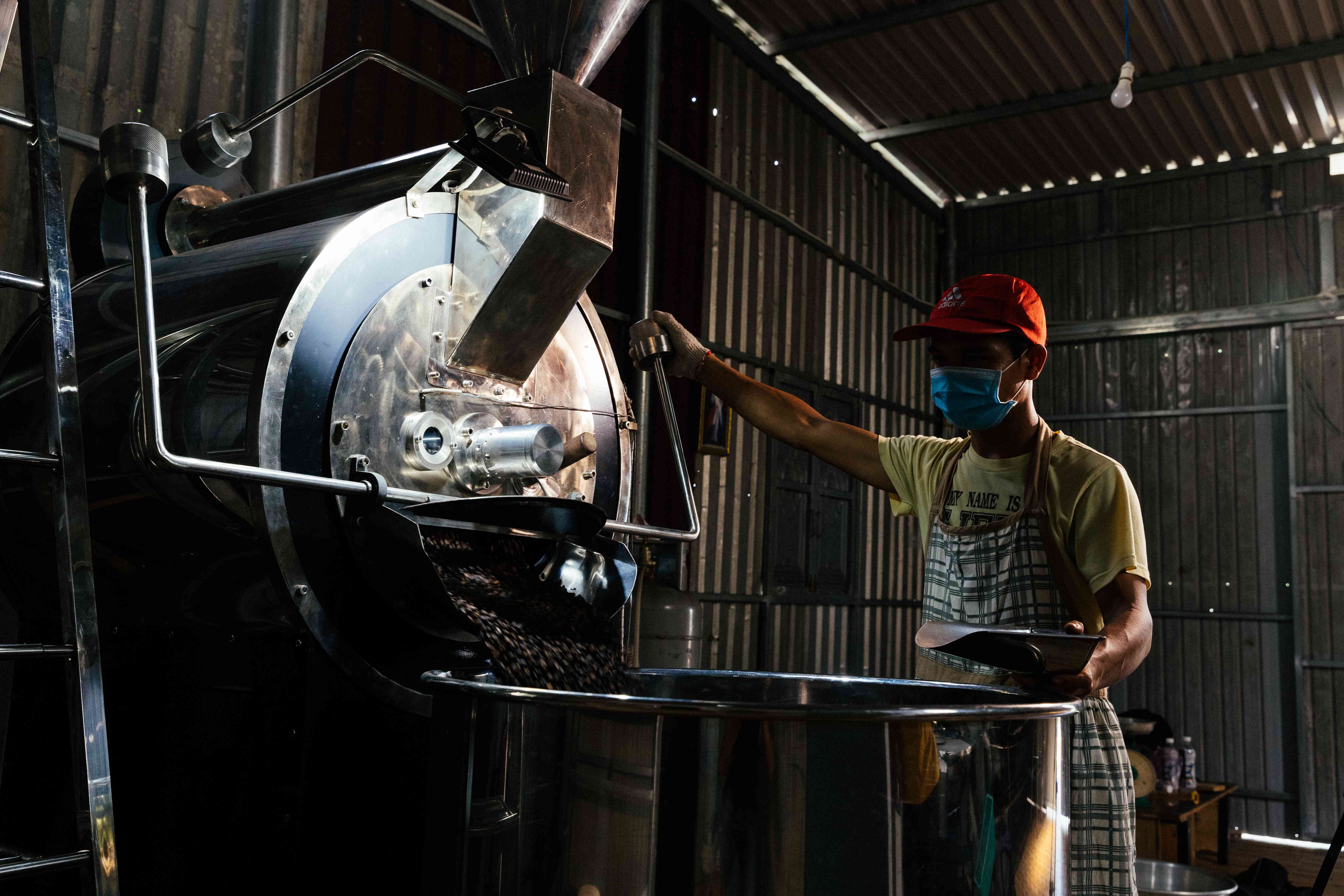
Mùa vụ là một đặc điểm có thật của nguyên liệu cà phê, nhưng sản phẩm cà phê theo mùa là một quyết định khác. Một thương hiệu có thể có nguyên liệu theo mùa nhưng vẫn bán sản phẩm quanh năm; ngược lại, cũng có thể chủ động đưa một sản phẩm rang xay ra thị trường trong một khoảng thời gian nhất định. Hai khái niệm này cần được tách trước khi đánh giá.
Mùa vụ của nguyên liệu khác với sản phẩm theo mùa
Cà phê là một nông sản có chu kỳ sản xuất và thu hoạch. Tuy nhiên, thời điểm nguyên liệu được thu hoạch không đồng nghĩa sản phẩm rang xay phải chỉ được bán trong đúng khoảng thời gian đó. Sau thu hoạch, nguyên liệu có thể được sơ chế, lưu trữ và đưa vào sản xuất theo kế hoạch.
Sản phẩm theo mùa là quyết định ở cấp danh mục: thương hiệu chủ động xác định một khoảng thời gian mà sản phẩm được giới thiệu, bán hoặc nhấn mạnh. Quyết định này liên quan đến nguồn cung, thời điểm bán, nhu cầu người mua và quan hệ với sản phẩm cốt lõi.
Vì vậy, một sản phẩm có thể “mang câu chuyện mùa vụ” mà không nhất thiết là sản phẩm bán theo mùa. Ngược lại, một phiên bản bán theo mùa có thể được thiết kế vì lý do thương mại hoặc trải nghiệm dù nguyên liệu không hoàn toàn bị giới hạn bởi mùa.
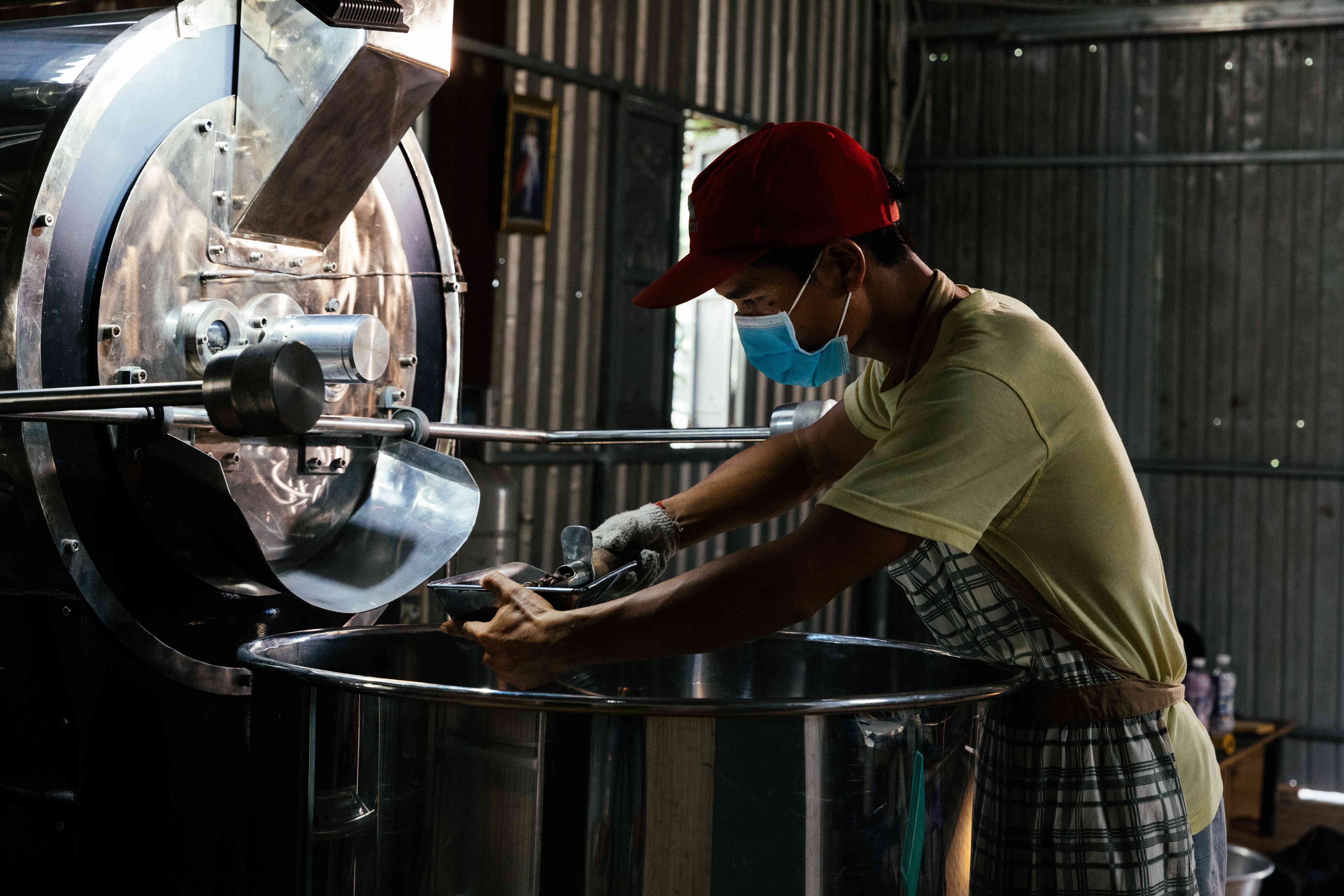
Hàng hóa theo mùa đòi hỏi cân bằng thời điểm và nhu cầu
Nghiên cứu về động lực nhu cầu trong ngành hàng theo mùa cho thấy doanh nghiệp phải xử lý vấn đề thời điểm: nhu cầu tập trung vào một khoảng thời gian, trong khi quyết định sản xuất và tồn kho phải được đưa ra trước. Với cà phê rang xay, điều này còn gắn với yêu cầu quản lý độ tươi sau rang.
Nếu sản xuất quá nhiều, sản phẩm có thể tồn lại sau khi thời điểm quan tâm qua đi. Nếu sản xuất quá ít, sản phẩm có thể hết sớm và làm mất cơ hội bán. Do đó, sản phẩm theo mùa không đơn giản là “đổi nhãn theo mùa” mà là một bài toán cung ứng và danh mục.
Đây là lý do phiên bản theo mùa thường phù hợp hơn khi có tín hiệu nhu cầu đủ rõ hoặc khi sản phẩm có một lý do trải nghiệm khiến người mua muốn thử trong khoảng thời gian cụ thể.
Tính giới hạn và tính mùa vụ không giống nhau
Một sản phẩm giới hạn có thể tồn tại trong thời gian ngắn vì thương hiệu muốn thử nghiệm hoặc tạo sự mới mẻ. Một sản phẩm theo mùa lại gắn với một khoảng thời gian có tính lặp lại hoặc một bối cảnh mùa vụ cụ thể. Hai chiến lược có thể kết hợp, nhưng không nên dùng lẫn khái niệm.
Nghiên cứu về sản phẩm thực phẩm và đồ uống phiên bản giới hạn cho thấy nhận thức khan hiếm và tiếc nuối dự đoán có thể liên quan đến ý định mua. Nhưng cơ chế này không đủ để chứng minh rằng sản phẩm theo mùa luôn hiệu quả. Sản phẩm theo mùa còn phải có lý do để người mua quan tâm vào đúng thời điểm.
Đối với cà phê, lý do đó có thể đến từ nguồn nguyên liệu, câu chuyện mùa vụ, một trải nghiệm phù hợp thời tiết hoặc một dịp sử dụng. Nhưng mỗi lý do cần được kiểm chứng bằng dữ liệu thực tế.
Khi nào cà phê rang xay theo mùa có lý?
Có thể cân nhắc sản phẩm theo mùa khi có ít nhất một trong ba điều kiện: nguồn nguyên liệu hoặc câu chuyện sản phẩm thực sự gắn với một thời điểm; nhu cầu người mua có tính mùa rõ; hoặc sản phẩm được dùng để thử nghiệm một ý tưởng trong phạm vi thời gian có kiểm soát.
Quan trọng hơn, sản phẩm theo mùa cần được đặt cạnh danh mục thường xuyên. Nếu nó chỉ cạnh tranh trực tiếp với sản phẩm cốt lõi mà không mở thêm nhu cầu, doanh số có thể bị phân chia thay vì tăng. Nếu nó tạo ra một dịp sử dụng mới hoặc tiếp cận nhóm người mua mới, vai trò bổ sung sẽ rõ hơn.
Không nên mặc định rằng sản phẩm theo mùa phải có quy cách nhỏ, giá cao hay bao bì đặc biệt. Những yếu tố đó là lựa chọn triển khai, không phải điều kiện bắt buộc của khái niệm sản phẩm theo mùa.
Một cách thử an toàn hơn
Với thương hiệu chưa có dữ liệu mạnh, có thể bắt đầu bằng quy mô nhỏ và thời gian xác định. Mục tiêu không chỉ là bán hàng mà còn là đo phản ứng: ai mua, mua vì lý do gì, họ có quay lại với sản phẩm cốt lõi không và sản phẩm có tạo ra khách hàng mới không.
Khi kết thúc mùa, dữ liệu đó cho phép quyết định sản phẩm có nên quay lại, thay đổi hay trở thành sản phẩm thường xuyên. Cách tiếp cận này phù hợp với giới hạn của bằng chứng hiện có: nghiên cứu về hàng hóa theo mùa cung cấp nguyên tắc quản lý nhu cầu, nhưng chưa đủ để khẳng định mô hình tối ưu riêng cho cà phê rang xay.
Vì vậy, cà phê rang xay theo mùa có thể phù hợp, nhưng chỉ khi mùa vụ là một phần có ý nghĩa của giá trị sản phẩm hoặc của quyết định mua.
Tài liệu tham khảo
- Demand Dynamics in the Seasonal Goods Industry: An Empirical Analysis. Marketing Science. DOI: 10.1287/mksc.1110.0693.
- Sinha, I. & Mandel, N. (2021). Lần tới có thể không còn: động cơ mua thực phẩm và đồ uống phiên bản giới hạn. Journal of Food Products Marketing, 27(1). DOI: 10.1080/10454446.2021.1884160.
- Samoggia, A. & Riedel, B. (2018). Hành vi tiêu dùng và mua cà phê: tổng quan nghiên cứu. Appetite, 129, 70–81. DOI: 10.1016/j.appet.2018.07.002.
Seasonality is a real characteristic of coffee raw material, but a seasonal coffee product is a different decision. A brand can have seasonal raw material yet still sell products year-round; conversely, it can actively bring a roasted-ground product to market for a defined period. These two concepts need to be separated before assessment.
Raw-material seasonality differs from a seasonal product
Coffee is an agricultural product with a production and harvest cycle. However, when the raw material is harvested doesn't mean the roasted product has to be sold only in that exact window. After harvest, raw material can be processed, stored, and brought into production according to a plan.
A seasonal product is a catalog-level decision: the brand actively defines a time period during which the product is introduced, sold, or emphasized. This decision relates to supply, timing of sale, buyer demand, and its relationship with core products.
So a product can "carry a seasonal story" without necessarily being sold seasonally. Conversely, a seasonally sold version can be designed for commercial or experiential reasons even when the raw material isn't strictly limited by season.
Seasonal goods require balancing timing and demand
Research on demand dynamics in seasonal-goods industries shows businesses have to handle a timing problem: demand concentrates within a period, while production and inventory decisions must be made in advance. For roasted-ground coffee, this also ties into the requirement of managing post-roast freshness.
If too much is produced, the product can sit unsold after the period of interest passes. If too little, the product can run out early and lose sales opportunity. So a seasonal product isn't simply "relabeling by season" — it's a supply and catalog problem.
This is why a seasonal version usually works better when there's a sufficiently clear demand signal, or when the product has an experiential reason that makes buyers want to try it during a specific period.
Limited-edition and seasonal aren't the same thing
A limited product may exist for a short time because a brand wants to experiment or create novelty. A seasonal product is tied to a recurring period or a specific seasonal context. The two strategies can be combined, but the concepts shouldn't be used interchangeably.
Research on limited-edition food and beverage products shows perceived scarcity and anticipated regret can relate to purchase intent. But this mechanism isn't enough to prove seasonal products are always effective. A seasonal product still needs a reason for buyers to care about it at the right time.
For coffee, that reason could come from the raw-material source, a seasonal story, an experience suited to the weather, or a usage occasion. But each reason needs to be verified with actual data.
When does seasonal roasted-ground coffee make sense?
A seasonal product can be worth considering when at least one of three conditions holds: the raw-material source or product story is genuinely tied to a specific time; buyer demand has a clear seasonal pattern; or the product is used to test an idea within a controlled time frame.
More importantly, a seasonal product needs to be placed alongside the regular catalog. If it only competes directly with core products without opening additional demand, sales may get split rather than grow. If it creates a new occasion of use or reaches a new group of buyers, its supplementary role becomes clearer.
Don't assume by default that a seasonal product must have a small package size, higher price, or special packaging. These are implementation choices, not mandatory conditions of the seasonal-product concept.
A safer way to test
For a brand without strong data yet, it can start at small scale with a defined time period. The goal isn't just sales but measuring response: who buys, for what reason, do they return to core products, and does the product create new customers.
When the season ends, that data allows deciding whether the product should return, change, or become a regular offering. This approach fits the limits of current evidence: research on seasonal goods provides demand-management principles but isn't enough to confirm an optimal model specific to roasted-ground coffee.
So seasonal roasted-ground coffee can be suitable, but only when the season is a meaningful part of the product's value or of the buying decision.
References
- Demand Dynamics in the Seasonal Goods Industry: An Empirical Analysis. Marketing Science. https://doi.org/10.1287/mksc.1110.0693
- Sinha, I. & Mandel, N. (2021). It might not be there next time: motivations for purchasing limited-edition food and beverage products. Journal of Food Products Marketing, 27(1). https://doi.org/10.1080/10454446.2021.1884160
- Samoggia, A. & Riedel, B. (2018). Consumers' perceptions of coffee health benefits and motives for coffee consumption and purchasing. Appetite, 129, 70–81. https://doi.org/10.1016/j.appet.2018.07.002